Better Parts Start Before the First Cut
Better Parts Start Before the First Cut
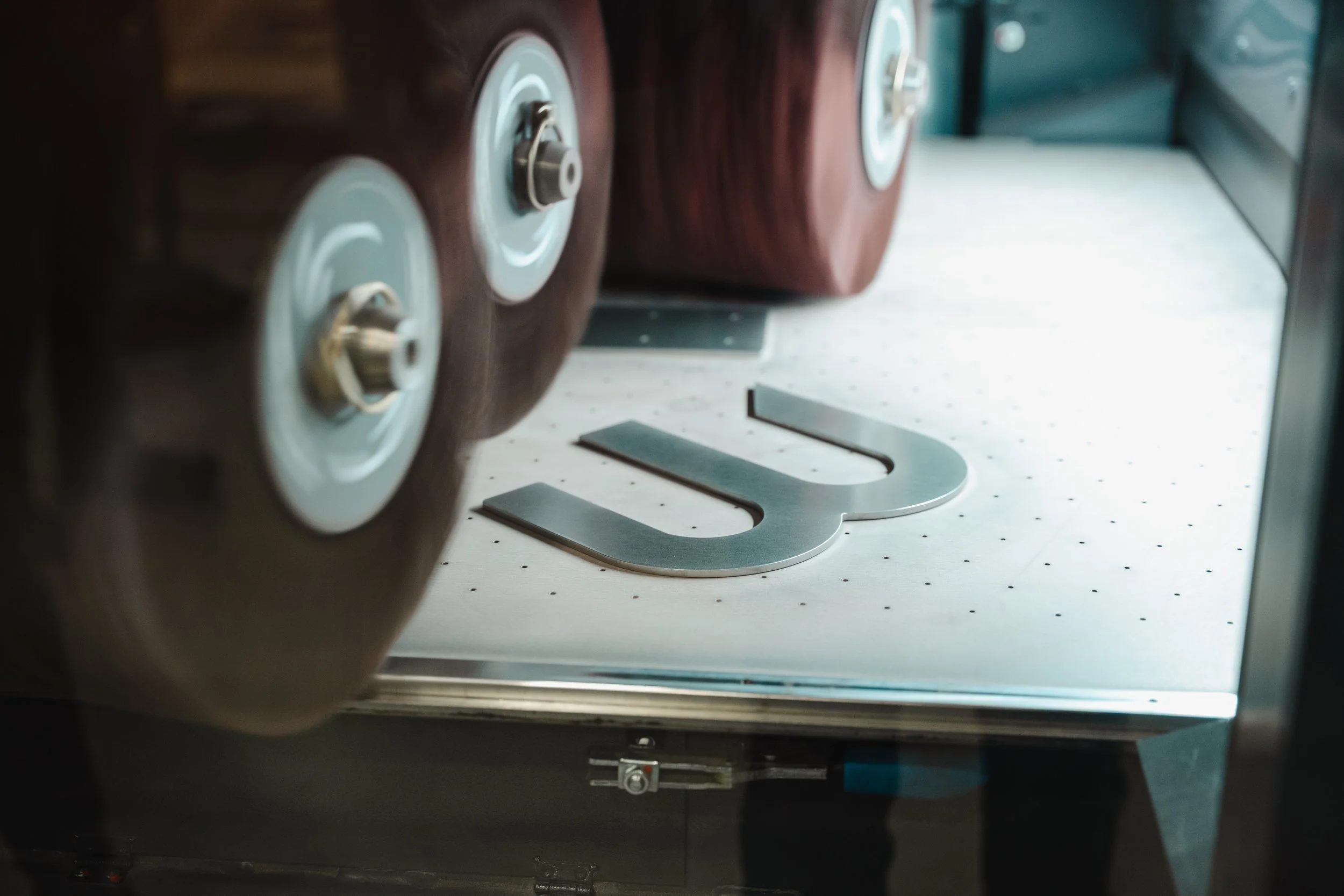
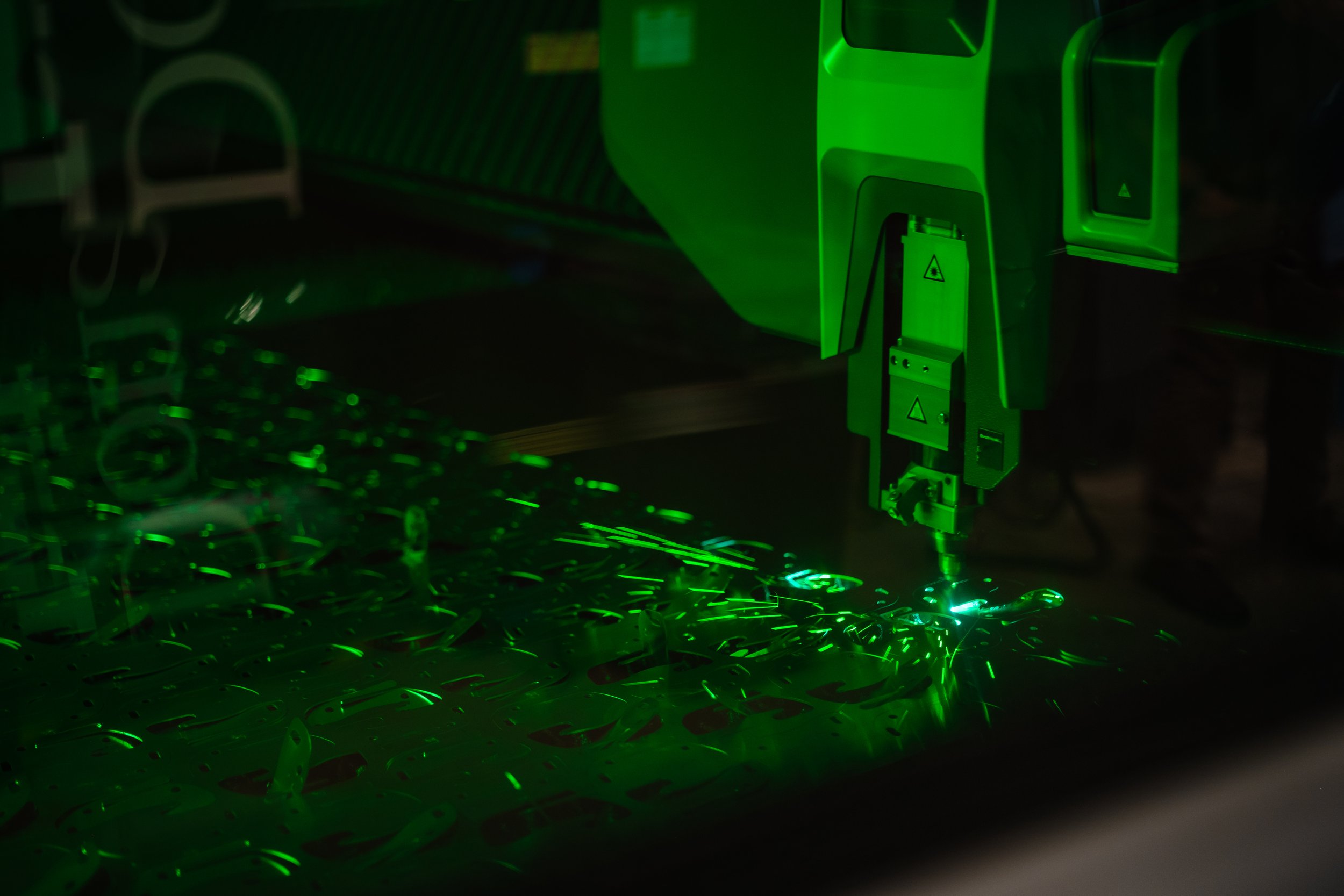
The laser gets the credit. The beam touches steel, sparks fly, and a finished part comes off the table — that's the moment that looks like manufacturing. But by the time the cutting starts, most of what that part will cost, how fast it ships, and whether it does its job has already been decided. Not on the shop floor. In the drawing, in the plan, and in the choice of who you hand it to.
That's the idea behind this blog, and it's worth sitting with for a second, because it runs against the way most people think about fabrication. When a quote comes back higher than expected, the instinct is to look at the shop — the machine time, the labor rate, the material markup. Those matter. But they're the small lever. The big lever got pulled weeks earlier, when the part was designed and the project was planned.
Cost is designed in, not machined in
It's a long-standing rule of thumb in manufacturing that the majority of a part's total cost is locked in at the design stage — before a single program is written or a sheet is pulled from inventory. A tolerance called out tighter than the part actually needs. A bend that forces a second setup. A material chosen out of habit rather than fit. A weldment drawn without thinking about how a torch will physically reach the joint. None of these are shop-floor problems. They're decisions, and every one of them quietly adds cost, time, or risk that no amount of fast cutting will win back.
Take a simple mounting bracket. Spec a ±0.005" tolerance on a hole that only needs ±0.030", and you've just committed the part to slower processing, more inspection, and a higher price — for precision the assembly will never use. Change one line on the drawing and the part gets cheaper without getting worse. That's not cost-cutting. That's understanding where the cost actually lives.
The good news in all of this: if cost is decided early, then the cheapest, most powerful place to improve a part is also early. You just have to get to it before the drawing is frozen.
Three levers we'll keep coming back to
This blog exists to help you pull those early levers. Most of what we write will orbit three of them.
Design for manufacturing — making sure a part is drawn to be made well, not just to work in theory. Tolerances that match function, geometry that fabricates cleanly, features that don't fight the process. Small design changes, real cost and lead-time savings.
Value engineering — taking cost out of a part without taking quality out. It's the discipline of asking what a part actually has to do, then finding the simplest, most reliable way to do it. Done right, it protects performance and lowers price at the same time. Done wrong, it's just cost-cutting wearing a nicer name — and we'll be honest about the difference.
Pre-planning — the upfront work that keeps a project from slipping. Sourcing decisions, material lead times, finishing requirements, delivery logistics. The conversation that happens before the job starts is the one that saves the six weeks you can't get back later.
Why we think we're the right ones to talk about this
Because we sit in a spot most fabricators don't. Bemidji Steel is both a full-line metal service center and a precision fabricator — we source the material, cut it on flat and tube lasers, form it, weld it, finish it, and deliver it on our own truck. That means when we look at your drawing, we're not just quoting the cutting. We're seeing the whole path a part takes, from raw stock to your dock, and every place along it where a better decision would save you money or time.
It also means we'd rather have that conversation early than send you a number and go quiet. The most useful thing a fabrication partner can do isn't cut fast. It's tell you, before you've committed, that there's a smarter way to build the thing.

What to expect from The Cut Sheet
A cut sheet is traditionally the list that tells the shop exactly what to make. We took the name because that's the spirit here: practical, specific, and useful to the people who actually design, buy, and build fabricated parts. Expect short, honest posts — some on design and cost, some aimed squarely at the industries we serve, including the data center buildout reshaping demand across the country. No fluff, no jargon for its own sake. Just the things we wish more people knew before the first cut.
If you've got a part or a project on your desk right now, don't wait for the drawing to be final. Send us the drawings — we'll review manufacturability, flag what we'd change, and quote it. The best time to make a part better is before it's made.
How we do what we do matters. Welcome to The Cut Sheet.